This company has no active jobs
0 Review
Rate This Company ( No reviews yet )

Fałszywe Prawo Jazdy W Polsce
(0)Company Information
- Total Jobs 0 Jobs
- Category TEVTA
- Location Dera Gazi Khan
About Us
Why All The Fuss Over Polish License Application?
All You Need to Know About the Polish License Application Process
Poland, with its robust economy and lively culture, draws in many individuals wishing to work or reside completely in the nation. A key action in this journey is obtaining the suitable licenses or permits. This comprehensive guide describes the Polish license application process, what types of licenses are readily available, and the necessary actions one should carry out for an effective application.

Kinds of Licenses in Poland
Karta Xpress Poland provides numerous licenses depending on a person’s function of stay– whether it is for work, residency, or driving. Below is a table summarizing these licenses:
| Type of License | Function | Application Authority |
|---|---|---|
| Work Permit (Zezwolenie na Pracę) | To lawfully work in Poland | Voivodeship Office |
| Momentary Residence Permit | For people wanting to live temporarily | Voivodeship Office |
| Long-term Residence Permit | For people seeking long-lasting residency | Voivodeship Office |
| EU Blue Card | For highly skilled specialists from non-EU nations | Voivodeship Office |
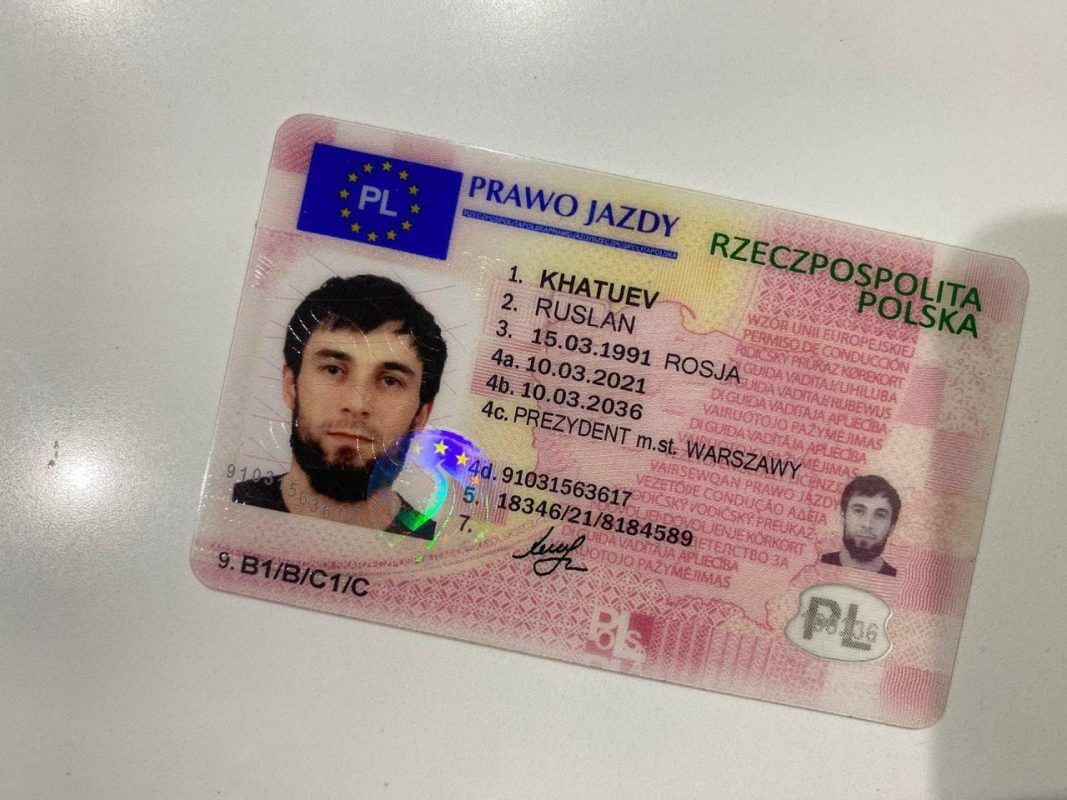
| Driving License | To lawfully drive a vehicle in Poland | Local Municipal Office |
| Business License | For entrepreneurs planning to develop a company | Regional Municipal Office |
The Application Process
Action 1: Determine the Type of License
Before beginning the application process, it is vital to recognize which kind of license is needed based upon one’s scenarios. For example:
- Employment: If you want to operate in Poland, the Work Permit or EU Blue Card would be needed.
- Residency: For those seeking to live in Poland, either a Temporary or Permanent Residence Permit would be proper.
- Driving: Individuals wishing to drive should request a Driving License.
Action 2: Gather Required Documentation
Each license type needs particular documents. Below is a list of common requirements, but applicants need to examine the specific paperwork needs for their respective licenses.
Typical Requirements for Licenses
| License Type | Typical Documents Required |
|---|---|
| Work Permit | – Completed application – A valid passport – Job offer letter – Company registration file – Proof of qualifications and experience |
| Momentary Residence | – Completed application kind – Valid passport – Proof of lodging in Poland – Health insurance coverage paperwork |
| Permanent Residence | – Completed application form – Valid passport – Long-term residency permit – Proof of economic stability |
| EU Blue Card | – Completed application – Valid passport – Employment agreement – Proof of education certifications |
| Driving License | – Completed application kind – Valid ID – Medical assessment certificate – Proof of residence |
| Business License | – Completed application – Business strategy – Proof of capital financial investment |
Action 3: Submit the Application
When all documents is prepared, applicants can submit their application to the appropriate authority. This might be undertaken in individual or, depending on the license type, online.
For work-related permits, companies frequently play an essential function by sending an application on behalf of their workers. For driving licenses and company licenses, candidates should visit their regional community workplace.
Step 4: Pay the Applicable Fees
Many license applications involve processing fees. The fees will differ based on the type of license obtained and the particular jurisdiction. Inspect the official federal government site or get in touch with the respective office for exact quantities.
Excellent Fee Structure
| License Type | Approximate Fee |
|---|---|
| Work Permit | 100-200 PLN |
| Short-lived Residence Permit | 400-600 PLN |
| Irreversible Residence Permit | 640 PLN |
| EU Blue Card | 100-500 PLN |
| Driving License | 100-300 PLN |
| Company License | 500 PLN |
Step 5: Await the Decision
After the application is sent, it might take numerous weeks or perhaps months for the relevant authorities to process the applications. Keeping communication lines open with the particular office can assist candidates remain upgraded on any extra requirements or decisions made.
Action 6: Receive License & & Comply with Regulations
As soon as authorized, effective candidates need to comply with any conditions stated within their license, such as local laws, renewal deadlines, or other commitments.
Frequently Asked Questions (FAQ)
1. How long does the license application process take?
The processing time differs depending upon the kind of license and the specific workplace overwhelmed with applications. Typically, it can take anywhere from a month to several months.
2. Can I work in Poland while my work permit application is processed?
Most of the times, holding a valid visa is needed to work while the application is processed. Seek advice from with local regulations for particular rules relevant to individual situations.
3. Is health insurance obligatory for license applications?
Yes, specifically for residency authorizations, evidence of health insurance coverage might be a requirement to ensure that you have access to healthcare while in Poland.
4. Can I obtain multiple licenses simultaneously?
Yes, but candidates ought to guarantee they satisfy the distinct requirements for each license obtained.
5. What takes place if my application is denied?
You might appeal the decision, however it is crucial to comprehend the reasons for rejection and resolve them clearly in your appeal. Look for legal counsel if needed.
Navigating the Polish license application process can be intricate, however equipping oneself with information and sticking to the steps described above can result in an effective journey in obtaining the required paperwork. Whether for work, residency, or other purposes, appropriate preparation and preparation will pave the way for a smoother application experience in Poland. For more detailed information, it’s recommended to seek advice from official government websites or look for expert legal assistance.