This company has no active jobs
0 Review
Rate This Company ( No reviews yet )

Axcess Surety bond support
(0)Company Information
- Total Jobs 0 Jobs
- Category ASD
- Location Gujranwala
About Us
Mastering the Art of Winning Public Construction Projects with Ease
 The Role of Underwriting in Surety Bond Pricing
Underwriting plays a vital role in determining the pricing of surety bonds. When a contractor applies for a bond, the surety company conducts a thorough evaluation, assessing the contractor’s financial health, credit history, and overall risk profile. This evaluation helps the surety decide whether to issue the bond and at what cost.
Bond Type
Description
Typical Use Cases
Performance Bond
Guarantees project completion according to contract specifications.
Public works contracts, large construction projects.
Payment Bond
Ensures subcontractors and suppliers are paid for their work.
Construction projects with multiple subcontractors.
Bid Bond
Protects project owners if the contractor fails to honor their bid.
Competitive bidding processes.
Maintenance Bond
Covers repairs needed after project completion.
Long-term projects requiring maintenance assurance.
Moreover, embracing bonded construction work means more than just securing a contract; it also involves understanding the broader implications of public project management. Effective communication, adherence to regulations, and meticulous attention to detail are essential components. This article will explore these aspects, offering practical tips and advice, ensuring that contractors not only win projects but also execute them with minimal stress.
Common Challenges in Securing Bonds
Many contractors face challenges when attempting to secure construction bonds, especially if they lack a strong financial history or experience. Issues such as poor credit scores, insufficient cash flow, or a lack of completed projects can hinder a contractor’s ability to obtain the necessary bonds. This can be particularly problematic for smaller or newer contractors who may not have an extensive portfolio to showcase their capabilities.
 What factors affect bond costs?
Bond costs can be influenced by several factors, including the contractor’s credit history, the project’s risk level, and the bond amount required. A contractor with a strong financial profile may qualify for lower premiums.
Surety bonds come in various forms, tailored to meet the specific needs of different projects. Many contractors find themselves asking, “How can I leverage these bonds to enhance my business operations?” The reality is that the pricing structure of surety bonds is often more favorable than it appears. By grasping how these bonds work and the factors influencing their costs, contractors can secure better rates and enhance their competitive edge in the market. This article aims to demystify surety bonds and explore strategies for optimizing their pricing, ensuring that contractors gain the most from this essential financial tool.
Building Relationships with Stakeholders
Establishing strong relationships with stakeholders is crucial for success in public construction projects. This includes not only the project owners but also subcontractors, suppliers, and local communities. Open communication fosters trust and collaboration, which can be instrumental in navigating challenges during project execution.
 Can I negotiate the terms of my construction bond?
Yes, contractors can negotiate the terms of their construction bonds. Factors such as premium rates, collateral requirements, and payment schedules can often be discussed during the bonding process to reach mutually beneficial agreements.
 Frequently Asked Questions
What is a surety bond?
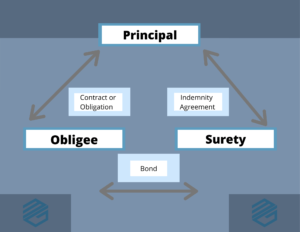
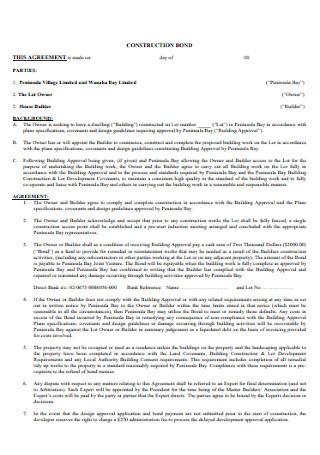
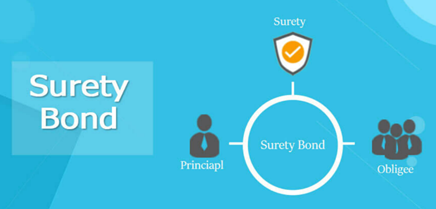
A surety bond is a contract among three parties: the principal (contractor), the obligee (project owner), and the surety (bonding company). It guarantees that the contractor will complete the project according to the contract terms, providing financial protection for the project owner in case of default.
Additionally, surety bonds can help contractors secure better project opportunities. For additional context, visit visit the up coming internet site for examples and key takeaways. Many clients prefer to hire bonded contractors as it reduces their risk. By being bonded, contractors can set themselves apart from competitors who may not have the same level of assurance. This can be a significant advantage in a competitive market.
Additionally, contractors should be equipped to demonstrate their qualifications and the rationale for their bid amount during negotiations. Providing detailed project estimates and breakdowns can help build a strong case for the requested bond amount. This transparency can foster a positive relationship with the surety and facilitate a smoother negotiation process.
Furthermore, the financial implications of delays can be substantial. Projects that run over schedule may incur additional costs, not only in terms of labor and materials but also in potential penalties and claims. Therefore, it is vital to establish a robust framework for managing timelines and expectations. This article will explore various strategies and best practices to ensure that your construction project remains on track and minimize the risk of claims related to delays.