This company has no active jobs
0 Review
Rate This Company ( No reviews yet )

Axcess Surety underwriting approach
(0)Company Information
- Total Jobs 0 Jobs
- Category AFIP
- Location Gujranwala
About Us
Unlocking Exclusive Rates and Quicker Approvals in Construction Bonding
 Common Challenges in the Bonding Process
While obtaining construction bonds is critical, contractors may face various challenges during the process. One common issue is insufficient financial history or credit issues that may hinder approval. This is particularly relevant for new contractors who may not have a strong financial background. In such cases, seeking guidance from experienced professionals can be invaluable.
Understanding Bonding in Construction Projects
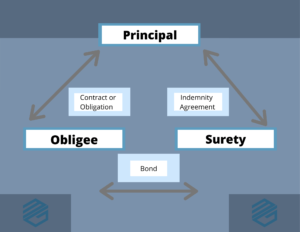
Bonding in construction is a mechanism that protects clients from potential losses caused by contractor defaults. It involves a third-party surety company that ensures the contractor will fulfill their obligations as outlined in the contract. This process, while designed to provide security, can also introduce a range of hidden costs. For instance, the fees associated with obtaining a bond can vary widely based on the project’s size and complexity. In many cases, these costs can exceed initial estimates, resulting in unexpected budget constraints.
 Type of Bond
Purpose
Typical Use Case
Performance Bond
Guarantees project completion as per contract terms
Construction projects
Payment Bond
Ensures payment to subcontractors and suppliers
Large construction contracts
Bid Bond
Demonstrates contractor’s commitment to a project
Contract bidding process
Maintenance Bond
Covers defects in work for a specified period
Post-construction maintenance
 How long does it take to obtain a surety bond?
The time required to obtain a surety bond can vary depending on the complexity of the application and the responsiveness of the contractor. Typically, the process can take anywhere from a few days to several weeks.
 Managing Financial Assessments
Financial assessments by surety companies can be intimidating, but contractors can take steps to prepare effectively. Understanding the key metrics that surety companies evaluate, such as liquidity ratios, net worth, and cash flow projections, can help contractors present a stronger case.
One of the primary functions of a bonded construction contract is to provide peace of mind to project owners, ensuring that their investment is protected. For contractors, obtaining a bond can enhance credibility and provide a competitive edge in securing projects. However, it also imposes strict requirements that must be met, and failure to comply can lead to significant financial repercussions. Therefore, recognizing the obligations and responsibilities that come with bonded projects is crucial for all participants.
Furthermore, compliance with local regulations and building codes is a significant consideration in bonded projects. Failure to adhere to these standards can lead to fines, delays, and additional costs for remediation. This aspect is particularly critical for contractors who may not be fully aware of the local laws governing construction projects. Therefore, it is essential to build a comprehensive budget that accounts for these potential compliance costs, which can often be overlooked in initial project estimates.
Understanding these types is crucial for contractors. For instance, if you are bidding on a large project, a bid bond may be required. Failing to provide this bond can result in disqualification from the bidding process. Each bond type has its own implications and requirements, making it essential for contractors to familiarize themselves with the specific needs of their projects.
Moreover, construction insurance can be tailored to meet the specific needs of a project. Contractors can select policies and coverage limits that align with the risks associated with their work. This customization ensures that they are adequately protected without overpaying for unnecessary coverage.
Common Challenges in Bonding Processes
While bonding can provide numerous benefits, it is not without its challenges. One of the most common hurdles contractors face is navigating the complex documentation and requirements set forth by surety companies. Each company may have different criteria, leading to confusion and potential delays in the bonding process.
Are there different types of surety bonds?
Yes, there are various types of surety bonds, including performance bonds, payment bonds, bid bonds, and maintenance bonds, each serving unique purposes in the construction industry.
How to Obtain Construction Bonds
Obtaining construction bonds usually involves a thorough application process. Contractors must provide financial statements, information about their business history, and details about the specific project for which the bond is being sought. Insurers or bonding companies will assess the contractor’s creditworthiness and project risk before issuing the bond. It is vital for contractors to work closely with a knowledgeable surety agent who can guide them through the process and help them secure the most favorable terms.
 If you have any kind of questions regarding where and how you can use construction bonding capacity, you can call us at our web-page.