This company has no active jobs
0 Review
Rate This Company ( No reviews yet )

Auto Vacuum Cleaner
(0)Company Information
- Total Jobs 0 Jobs
- Category Cantonment Board
- Location Hasilpur
About Us
What Is Buy Cleaning Robot? History Of Buy Cleaning Robot
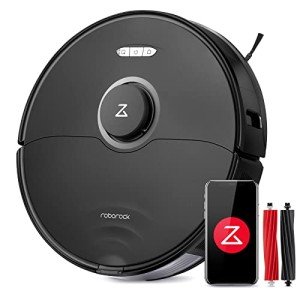
Navigating the World of Automated Cleaning: A Guide to Buying the Right Cleaning Robot
In today’s fast-paced world, the desire for convenience and effectiveness encompasses every aspect of our lives, even home chores. Cleaning, typically a lengthy and tiresome task, is no exception. This is where cleaning robotics, the automatic allies in the battle against dust and dirt, are becoming increasingly popular. These intelligent devices assure to free property owners from the drudgery of vacuuming and mopping, maximizing valuable time and energy. Nevertheless, with a diverse variety of designs and performances offered on the market, picking the best cleaning robot can feel overwhelming.
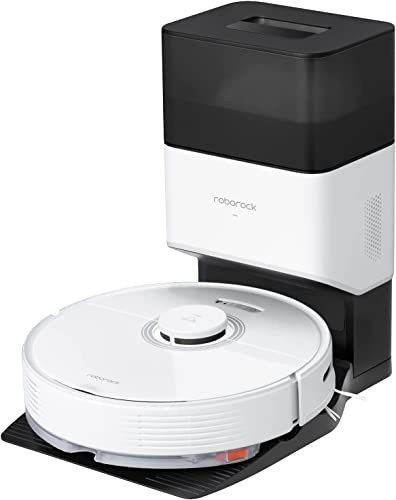
This article intends to demystify the process of purchasing a cleaning robot, offering a detailed guide to help you browse the different options and make an educated choice that best robot vacuum cleaners suits your requirements and home environment. Whether you’re a hectic expert, a pet owner, or simply somebody who appreciates a tidy home without the effort, comprehending the essential factors included in picking a cleaning robot is vital.
Comprehending the Landscape: Types of Cleaning Robots
Before diving into particular functions and factors to consider, it’s important to understand the various kinds of cleaning robots available. Each type is designed for particular cleaning jobs, and understanding their distinctions will limit your choices.
-
Robot Vacuum Cleaners: These are the most common type of cleaning robot, created primarily for vacuuming floorings. They can be found in numerous shapes, sizes, and with a variety of functions, from fundamental designs concentrated on simple dust and particles elimination to innovative versions geared up with mapping innovation, voice control, and self-emptying bins. Robot vacuums are effective on various floor types consisting of wood, tile, and carpet, though their performance can differ depending on carpet thickness and stack height.
-
Robot Mop Cleaners: Dedicated mopping robots focus exclusively on cleaning hard floors using water and cleaning options. They normally use wet or damp cloths or pads to scrub and wipe floorings, removing discolorations and spills. Some models include oscillating or vibrating mopping heads for enhanced cleaning action, while others are developed for lighter, maintenance mopping. Robot mops are ideal for kitchens, restrooms, and other locations with hard floor covering.
-
Combination Robot Vacuum and Mops: These versatile robotics attempt to offer the very best of both worlds by integrating vacuuming and mopping performances in a single gadget. Often, they vacuum first and then mop, or they may vacuum and mop concurrently. While providing convenience, it’s important to keep in mind that combination robotics may not carry out either job as comprehensively as dedicated vacuum or mop robots. Consider your main cleaning requirement when assessing combination designs.
-
Pool Cleaning Robots (Brief Mention): While not straight associated to indoor home cleaning, swimming pool cleaning robots deserve a short mention as another category of automated cleaning gadgets. These robots are developed specifically for cleaning swimming pools, scrubbing walls and floorings and vacuuming particles from the water. If you have a swimming pool, this is a different category worth exploring, but it’s unique from the robots meant for indoor floor cleaning.
Key Considerations When Choosing Your Cleaning Robot
When you understand the kinds of cleaning robots, the next action is to think about the factors that will determine the very Best robot vacuum and mop UK choice for your particular scenario.
-
Cleaning Performance & & Features
- : Suction Power (Vacuum Robots): For Vacuum robot robots, suction power is a vital element, particularly if you have carpets or animals. Greater suction power is normally needed to effectively lift dirt and particles from carpets and pet hair. Look for specs like Pascal (Pa) ratings, though real-world efficiency can differ, so reading evaluations is handy.
- Brush System (Vacuum Robots): The type and style of the brush roll also effect cleaning performance. Some robotics have single brush rolls, while others include double brushes or a mix of brush types to deal with various floor surface areas and particles. Consider if the brushes are developed to decrease hair entanglement, particularly if you have family pets.
- Mopping System (Mop Robots & & Combination Robots): For mopping robots, consider the mopping approach. Some use easy damp cloths, while others have vibrating or oscillating pads for more efficient scrubbing. Water tank capacity and the capability to manage water output are likewise essential factors. For mix robots, examine how efficiently they shift in between vacuuming and mopping modes.
- Navigation & & Mapping: More sophisticated robots feature sophisticated navigation systems. Mapping technology allows robots to produce a virtual map of your home, enabling them to clean up more efficiently, follow particular cleaning courses, and even enable you to designate no-go zones. Sensing units help robots avoid obstacles and prevent falls from stairs. Basic robotics might rely on bump-and-go navigation, which can be less efficient and potentially miss locations.
- Cleaning Modes & & Customization: Look for robotics that provide various cleaning modes, such as area cleaning, edge cleaning, and zone cleaning. App control and scheduling features enable for customized cleaning regimens and remote operation, contributing to the convenience aspect.
-
Your Home Environment:
- Floor Type: Consider the predominant floor types in your home. Wood, tile, laminate, and carpet all need different cleaning approaches. Ensure the robot you choose is appropriate for most of your flooring. Some robots are much better fit for hard floorings, while others excel on carpets.
- Home Size & & Layout: The size of your home and its layout will influence battery life and navigation requirements. Larger homes might need robots with longer battery life or the ability to recharge and resume cleaning. Complex designs with numerous spaces and obstacles gain from robotics with sophisticated mapping and navigation.
- Obstacles & & Furniture: Consider the amount and type of furnishings in your house. Robotics need to navigate around furnishings legs, under sofas, and avoid cable televisions and little things. Inspect the robot’s clearance height to ensure it can fit under your furniture. Cable television management and cleaning up clutter can considerably enhance robot effectiveness.
- Pet Hair & & Allergies: If you have pets, pet hair cleaning capability is a vital consideration. Search for robotics specifically designed for pet hair removal, often including stronger suction, tangle-free brush rolls, and HEPA filters to trap irritants and pet dander.
-
Features & & Functionality:
- App Control & & Smart Home Integration: Many modern cleaning robots include mobile phone apps that enable you to manage the robot from another location, schedule cleaning sessions, screen cleaning development, and change settings. Some robots likewise integrate with smart home ecosystems like Alexa or Google Assistant for voice control.
- Battery Life & & Charging: Battery life determines the length of time a robot can clean on a single charge. Consider the battery life in relation to the size of your home. Automatic charging and resume cleaning functions are important for bigger spaces, permitting the robot to go back to its charging dock and continue cleaning where it left off.
- Self-Emptying Bins (Vacuum Robots): Some high-end vacuum robots include self-emptying bins. These robotics automatically transfer gathered dirt and debris into a bigger bin situated in the charging dock, reducing the frequency of manual emptying.
- Limit Setting/No-Go Zones: The ability to set virtual limits or no-go zones works for preventing robots from going into specific areas, like fragile rugs, pet feeding stations, or children’s play areas. This can be accomplished through app control, magnetic strips, or physical boundary markers.
- Sound Level: Cleaning robots generate noise throughout operation, though sound levels vary in between designs. If noise level of sensitivity is an issue, examine the decibel (dB) score of the robot. Some robotics provide quieter cleaning modes.
- Maintenance & & Durability: Consider the ease of maintenance, such as emptying the dustbin, cleaning brushes, and replacing filters. Read evaluations to gauge the robot’s dependability and sturdiness. Inspect the service warranty provided by the producer.
-
Budget & & Price:
- Cleaning robotics range considerably in price, from economical standard designs to high-end robotics with advanced functions. Determine your spending plan and prioritize the features that are crucial to you within that variety. Bear in mind that a higher price does not always ensure exceptional cleaning performance; consider worth for money and features pertinent to your needs.
-
Brand Reputation & & Customer Support:
- Choosing a reputable brand frequently offers assurance of quality, dependability, and much better customer assistance. Research study various brand names and read customer evaluations to comprehend user experiences and possible issues. Check guarantee terms and the availability of customer service and spare parts.
Selecting the Right Robot: A Step-by-Step Approach
To successfully select the right cleaning robot for your requirements, follow these actions:
- Assess Your Cleaning Needs: Determine your primary cleaning priorities. Do you need primarily vacuuming, mopping, or both? Consider your floor types, pet circumstance, and the size and intricacy of your home.
- Set a Budget: Determine just how much you are willing to invest on a cleaning robot. This will assist limit your options.
- Determine Key Features: Based on your requirements and spending plan, identify the essential functions and nice-to-have functions. Focus on functions that directly resolve your cleaning obstacles.
- Research Study and Compare Models: Read online evaluations, compare requirements, and watch video reviews of various models that fit your criteria. Focus on trustworthy brand names and models known for reliability and performance.
- Consider Long-Term Costs: Factor in potential replacement parts, filter costs, and battery life-span when considering the overall cost of ownership.
- Check Out Customer Reviews: Pay attention to consumer evaluations to get real-world insights into the robot’s performance, dependability, and any possible issues.
- Inspect Warranty and Support: Understand the warranty provided by the producer and the accessibility of client support ought to you come across any problems.
Tips for Getting one of the most Out of Your Cleaning Robot
When you’ve purchased your cleaning robot, follow these ideas to ensure optimum performance and longevity:
- Prepare Your Home: Before running your buy robot cleaner, declutter floorings, get loose cable televisions, and remove small objects that might block its path or get tangled in brushes.
- Regular Maintenance: Empty the dustbin or water tank frequently. Tidy brushes, filters, and sensing units as suggested by the producer. This ensures optimum cleaning performance and extends the robot’s life expectancy.
- Follow Scheduling Recommendations: If your robot has scheduling features, established a cleaning schedule that aligns with your needs and guarantees your home is cleaned up regularly.
- Observe Initial Cleaning Cycles: During the very first few cleaning cycles, observe the robot’s performance and determine any areas where it may have a hard time or get stuck. Change furniture arrangement or usage limit markers to improve cleaning effectiveness.
- Keep Software Updated: If your robot has software application updates, guarantee you install them to gain from performance enhancements, new functions, and bug fixes.
Conclusion
Buying a cleaning robot can be a substantial action towards streamlining your household tasks and recovering important time. By comprehending the various kinds of cleaning robots, carefully considering your requirements and home environment, and following the guidelines outlined in this short article, you can confidently choose a cleaning robot that will successfully automate your floor cleaning and contribute to a cleaner and more comfortable home. Embrace the convenience and freedom that these intelligent gadgets offer, and take pleasure in a life with less cleaning and more leisure.
Often Asked Questions (FAQs) About Buying Cleaning Robots
Q1: Are cleaning robotics as efficient as standard vacuum cleaners and mops?
- Cleaning robots are typically reliable for routine maintenance cleaning, keeping dust and debris at bay. For deep cleaning or dealing with heavy spills, standard vacuum cleaners and mops may still be required. Nevertheless, for daily upkeep and releasing up your time, cleaning robots are highly advantageous.
Q2: How long do cleaning robot batteries last, and the length of time does it require to charge?
- Battery life differs depending on the design and cleaning mode, usually ranging from 60 to 120 minutes. Charging time can also vary, normally taking 2-4 hours for a full charge. Lots of robots feature automatic recharging, returning to the dock when battery is low.
Q3: Are cleaning robotics loud?
- Cleaning robots do produce sound, however normally less than conventional vacuum cleaners. Noise levels range from around 55 to 70 decibels, depending on the design and suction power. Quieter designs and quiet cleaning modes are offered.
Q4: How much maintenance do cleaning robots need?
- Maintenance is reasonably basic and consists of routinely emptying the dustbin or water tank, cleaning brushes and filters, and occasionally cleaning sensing units. The frequency of upkeep depends on use and pet ownership.
Q5: What is the typical lifespan of a cleaning robot?
- With proper care and upkeep, an excellent quality cleaning robot can last for 3-5 years, or perhaps longer. Battery life is often the first component to degrade and might need replacement after a few years.
Q6: Are cleaning robotics suitable for pet owners?
- Yes, numerous cleaning robotics are specifically created for pet owners, including strong suction, tangle-free brushes, and HEPA filters to manage pet hair and dander effectively. Search for models marketed as “pet-friendly.”
Q7: Can cleaning robotics damage furnishings or walls?
- Most cleaning robotics are equipped with sensors to detect challenges and avoid crashes. However, it’s still a good idea to declutter and handle cable televisions to lessen prospective bumps and scratches. Setting up no-go zones can protect delicate furniture or areas.
Q8: Are cleaning robotics worth the investment?
- For lots of people, specifically those with hectic lifestyles, family pets, or mobility problems, cleaning robots are a beneficial financial investment. They save effort and time on cleaning, adding to a cleaner home and increased benefit. Consider your specific requirements and budget plan to determine if the advantages outweigh the expense.