This company has no active jobs
0 Review
Rate This Company ( No reviews yet )

Swiftbonds bonded work strategy
(0)Company Information
- Total Jobs 0 Jobs
- Category Islamabad Policy Research Institute IPRI Apply Jobs 2024
- Location Sukkur
About Us
Unlocking the Secrets to Successful Construction Bonds
 Moreover, having a contingency fund can provide peace of mind to contractors, allowing them to focus on project execution rather than worrying about potential financial pitfalls. This fund can be particularly useful in the construction industry, where unexpected costs can frequently occur due to changes in project scope, material price fluctuations, or labor shortages. By being prepared for these eventualities, contractors can maintain smoother cash flow and protect their financial interests.
 Can I improve my chances of securing a surety bond?
Yes, contractors can improve their chances by maintaining good financial health, gathering comprehensive documentation, and building a positive reputation within the industry. Engaging with a knowledgeable surety agent can also enhance the bonding process.
 What factors affect surety bond premiums?
Bond premiums are influenced by the contractor’s creditworthiness, the type of bond, and the specifics of the project. Contractors with strong credit and a solid track record typically receive lower premiums.
Moreover, different types of bonds exist, including performance bonds, payment bonds, and maintenance bonds, each serving distinct purposes. For more perspective, see read what he said for step-by-step guidance. Understanding these types is essential for stakeholders to navigate the complexities of bonded construction work effectively. This foundational knowledge sets the stage for identifying potential pitfalls and devising strategies to address them.
In weighing the pros and cons of surety bonds versus bank lines of credit, contractors must consider their specific circumstances and business objectives. While surety bonds offer enhanced credibility and protection for clients, lines of credit provide flexibility in cash flow management. Balancing these factors is crucial for effective financial decision-making.
Additionally, performance bonds can vary in terms of coverage and conditions. Some may cover only the cost of completion, while others might include additional damages. Understanding the specific terms of a performance bond is crucial for project owners, as it directly impacts their ability to recover losses in the event of contractor failure. Being well-versed in these details allows for better planning and risk management throughout the project.
In weighing the pros and cons of credit scores in the context of surety bonds, it becomes evident that while a good credit score can lead to numerous advantages, those with lower scores face significant challenges. However, with the right strategies and proactive measures, it is possible to improve your credit standing and enhance your bonding prospects.
When weighing the pros and cons of bonded construction work, it is essential to consider both the advantages and disadvantages. If you want a deeper dive, check read what he said to round out your understanding. While bonding provides a safety net and enhances credibility, the associated costs and qualification requirements can pose challenges. Ultimately, the benefits often outweigh the drawbacks, especially for contractors committed to maintaining a strong cash flow and delivering quality projects.
 Moreover, lenders often impose fees for maintaining a line of credit, which can erode potential savings. Contractors must carefully manage their credit utilization to avoid penalties and ensure they remain in good standing with their lender. Understanding these challenges is essential for effective financial management.
 Credit Score Range
Typical Surety Bond Premium
Remarks
300 – 579
10% – 15%
High risk; may require collateral or additional documentation.
580 – 669
5% – 10%
Moderate risk; more likely to be approved with stronger business history.
670 – 739
3% – 5%
Good risk; favorable terms and conditions likely.
740 – 850
1% – 3%
Lowest risk; best premiums and terms available.
Types of Surety Bonds
Understanding the different types of surety bonds is essential for contractors. For more perspective, see read what he said for a quick breakdown of the essentials. Performance bonds are necessary for large projects, ensuring that contractors will complete their work as specified. Payment bonds protect subcontractors and suppliers, mitigating the risk of non-payment. Bid bonds serve as a pre-qualification measure, allowing project owners to evaluate the contractor’s reliability. Each bond type plays a crucial role in the contractor’s ability to secure projects and maintain cash flow.
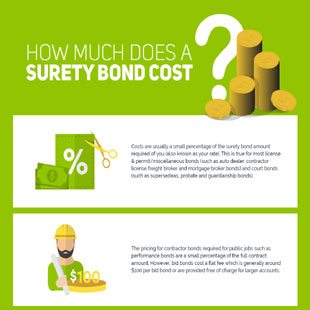
When applying for a surety bond, contractors must undergo a rigorous underwriting process. This involves an assessment of their financial stability, experience, and creditworthiness. The costs associated with obtaining a surety bond typically range from 1% to 3% of the bond amount, depending on the contractor’s credit history and the type of bond required. This upfront cost can be a consideration for contractors evaluating their financing options.