This company has no active jobs
0 Review
Rate This Company ( No reviews yet )

Swiftbonds bonding capacity advice
(0)Company Information
- Total Jobs 0 Jobs
- Category WCCT
- Location 297 Geraldine Lane, Westbury, New York
About Us
Unlocking Client Loyalty Through Reliable Construction Practices
Weighing the pros and cons of bonded construction work reveals a complex landscape. While the benefits of enhanced credibility and access to larger projects are significant, the costs and challenges associated with obtaining bonds cannot be overlooked. Contractors must carefully assess their circumstances and determine the best approach for their operations.
Another significant component is equipment costs. Depending on the project scope, you may need to rent or purchase specialized equipment, which can substantially impact your pricing. It’s essential to evaluate whether investing in equipment is more cost-effective than renting it for a single project. Furthermore, don’t forget to include overhead costs, which encompass expenses such as insurance, permits, and administrative costs. All of these components combined will lead to a comprehensive pricing strategy.
Labor Costs: Calculating Accurately
Calculating labor costs accurately is one of the most critical aspects of pricing bonded construction projects. Start by determining the number of hours required to complete the project, taking into account the complexity and scope of the work. It’s essential to consider not only the direct labor costs but also any indirect costs associated with labor, such as payroll taxes and benefits. Additionally, factor in the experience level of workers, as skilled labor typically commands higher wages.
 Implementing Risk Management Strategies
Effective risk management is a critical component of a surety-friendly operation. Contractors must identify potential risks associated with their projects and develop strategies to mitigate them. This proactive approach not only helps in maintaining financial stability but also showcases to sureties that the contractor is serious about managing risks.
 What factors should I consider when pricing materials?
Consider market trends, availability, and supplier relationships when pricing materials. Staying informed about fluctuations and securing bulk pricing can lead to significant savings.
 What are the types of surety bonds?
The primary types of surety bonds in construction include performance bonds, payment bonds, bid bonds, maintenance bonds, and license bonds. Each type serves different purposes and provides various protections for project owners and stakeholders.
In the ever-evolving world of construction, surety bonds play a crucial role in ensuring project completion and protecting the interests of stakeholders. Understanding how to navigate the complexities of bonded construction work is essential for contractors and project owners alike. As construction projects become increasingly intricate, the demand for a “surety-friendly” operation has never been more pressing. This article explores the essential strategies for building a construction business that aligns with surety requirements, ensuring not only compliance but also enhanced reputation and success.
 Understanding Surety Bonds in Construction
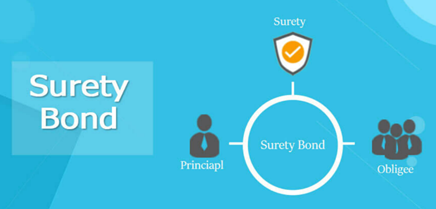
Before embarking on a journey to create a surety-friendly operation, it is vital to comprehend what surety bonds entail. A surety bond is a three-party agreement involving the obligee (typically the project owner), the principal (the contractor), and the surety (the bonding company). The surety guarantees that the principal will meet the obligations outlined in the contract. If the principal fails to perform, the surety will cover the financial loss, thus safeguarding the obligee’s interests.
If you want a deeper dive, check construction bonding capacity for step-by-step guidance. Investing in technology also demonstrates a commitment to operational excellence, which can enhance a contractor’s reputation with surety companies. As the construction industry continues to evolve, those who embrace technological advancements are better positioned to thrive and secure bonding opportunities.
In the construction industry, ensuring a stable cash flow is essential for sustaining operations and maintaining profitability. One of the most effective ways to protect cash flow during projects is through bonded construction work. This method not only provides financial security to contractors but also assures clients that the project will be completed as agreed. Understanding the intricacies of bonded construction work can significantly enhance a contractor’s ability to manage finances effectively while minimizing risks. Whether you’re a seasoned contractor or new to the industry, grasping the fundamentals of bonded work can make a pivotal difference in your projects.
Types of Surety Bonds
There are several key types of surety bonds that subcontractors should be aware of. Each type serves a unique function in the construction process, ensuring that obligations are met and risks are minimized. Bid bonds, for instance, are crucial during the bidding phase, providing assurance that the contractor will adhere to their proposals. Performance bonds, on the other hand, protect project owners by guaranteeing that the project will be completed as agreed.